- Opening hours: Mon. to Fri. 8 a.m. to 6 p.m.

Api-phytotherapy is increasingly establishing itself as an alternative medicine in the curative and preventive fields of health. Its numerous applications in medicine, surgery, homeopathy, traditional Chinese medicine and nutrition are the subject of debates by api-therapists, beekeepers, scientists, clinicians and practitioners of alternative medicine from Europe, the Middle East, the USA and China, during the international conference on honey organised on May 18 and 19 in Fes by the association "Espace Sciences et Vie", in collaboration with the regional directorate of Agriculture and the Sidi Mohammed Ben Abdallah University.
It is a question of treating issues relating to the interest of hive probiotics, harvesting methods, the role of propolis in emerging pathologies such as flu or cancer, as well as the future of beekeeping. "Practised for a very long time, api-phytotherapy is an alternative for the future and a real opportunity that it is up to us to seize and see develop for a low-cost pharmacopoeia, without side effects and, above all, without traces of chemical products," indicates Prof. Badiaa Lyoussi, teacher-researcher and president of the association "Espace Sciences et Vie". For her, the main objective of this conference on "Api-phytotherapy: valorisation of hive products and beekeeping techniques for appropriate sustainable development" is to increase interest in beekeeping and api-therapy. "The Keynotes delivered in the plenary sessions will allow an update of the global knowledge base on api-therapy. The speakers will share their knowledge and experiences with all those who have a particular interest in this form of alternative medicine," she explains.
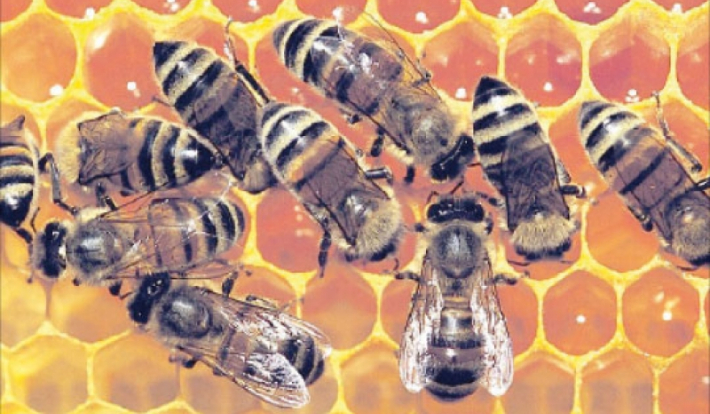
The conference platform also targets the therapeutic uses of the various hive products: honey, bee venom, royal jelly, wax, propolis and pollen. This conference aims, still according to Prof. Badia Lyoussi, to identify measures to develop the beekeeping sector, boost research on the applications of hive products in the field of health, applications which remain poorly known, and popularise the benefits of honey and its general therapeutic applications. It is also about defining the differences between honeys, their composition and their biological properties, according to their floral origins.
Throughout the conference, the applications of honey will be illustrated by concrete examples of commercial products and scientific publications chosen from around the world. "It is necessary to provide a certain number of tips so that beekeepers can improve the quality of hive products. The interest of the beekeeping sector is essential, especially in the fight against insecticides, as well as in the support and improvement of the quality of beekeeping products for their use in Api-therapy, the protection of bees and information for beekeepers, while safeguarding the natural resources of the terroir in the long term," specifies Prof. Badia Lyoussi. The work of the meeting will also focus on the growing challenges that the development of the beekeeping sector must face, as well as on the important existing relationship between beekeeping, api-therapy, aromatherapy, health, the environment and sustainable development.
Honey is a wealth to be revalued on a nutritional, cosmetic and, above all, therapeutic level. Its products are prescribed for digestive, respiratory, cardiovascular, rheumatic, dermatological, ophthalmic, neurological, gynaecological affections, among others. It is considered a complete pharmacy, due to the therapeutic virtues of propolis, pollen, wax, royal jelly, aromiel, venom and honey rich in carbohydrates, organic acids and lactones, mineral substances and trace elements, vitamins, enzymes, antibiotic factors, flavonoids.
-* The average annual production of honey in Morocco is 2,000 tonnes.
-* There are 5 to 6 honey flavours on the Moroccan market, depending on the floral diet of the bees: eucalyptus honey, orange blossom honey, wild lavender honey, euphorbia honey, thyme honey and "bitter honey", extracted from the strawberry tree.
-* Production has been falling for a few years, even if the number of hives increases annually. And this is because, among other things, of deforestation, which mainly affects eucalyptus.
Provider / Source : Rachida Bami, Le Matin