- Opening hours: Mon. to Fri. 8 a.m. to 6 p.m.

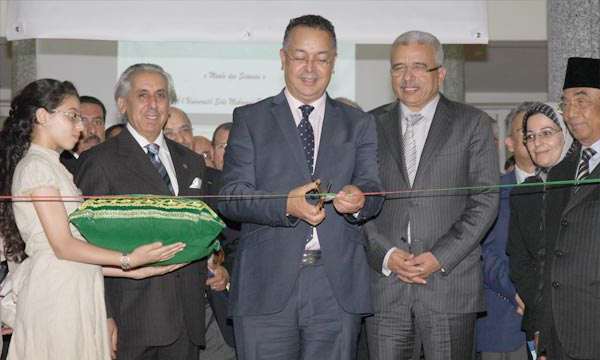
The science museum, intended for the valorisation and preservation of the national natural and cultural heritage, presents fixed collections and objects related to earth and life sciences and astrophysics as well as other sciences. A space for discovery, cultural exchange, and technology, the museum offers numerous scientific experiments and offers virtual open-air tours. In a statement to MAP, the Minister of Tourism indicated that the science museum reflects the natural and geological history of Morocco, praising on this occasion the efforts made by the USMBA for the implementation of this major project. The museum provides additional information on the Paleolithic and Neolithic history of Morocco and information on the geological mapping of the country, he added, describing this new scientific structure as a 'treasure' in view of the fossils and precious stones and other objects it contains. Haddad also argued that the museum will strengthen the tourist animation of the city and scientific research projects, stressing the imperative of building a building dedicated to the museum so that it can be exploited in a more scientific and rational manner. For his part, the president of the USMBA, Farissi Serghni, stressed that this project will strengthen scientific research based on the census and cataloguing of all natural riches for scientific and cultural purposes. The museum tends to offer a look at the plurality, diversity, and time that have constituted the current world since the creation of the earth, he specified, adding that this structure is also intended to be a city of knowledge and scientific and cultural exchanges. The director of the museum, Mohamed Charroud, indicated for his part that this project is a university institution that aims to promote the most beautiful sites and strengthen scientific research in the natural and cultural heritage of Morocco, noting that the museum is dedicated to the sciences and techniques of identification and preservation of exceptional heritage objects. The museum houses collections representing the heritage wealth of Morocco, divided into several categories relating, in particular, to the history of the Cosmos and the universe, the past life of Morocco (bones and traces of dinosaurs, marine and continental fossils, vertebrates and invertebrates dating back millions of years), in addition to a collection of the rarest minerals in nature. It also contains a geo-library of most of the rocks existing in nature, with explanations on their origins, their localities, and their uses, ancient and modern maps, presentations of the great geological evolutions of the planet, and collections of the country's fauna and flora.
Provider / Source : MAP, Le Matin